Things worth reading.
Books I recommend to parents often, and a couple of papers for anyone who likes to see the thinking underneath. No homework — borrow one, skim one, or skip the lot.
Six books I find myself recommending again and again — all of them written for parents rather than clinicians, and all of them kind about how hard this can be.
Your public library will have most of them. The links go to Bookshop.org, which supports independent bookstores.
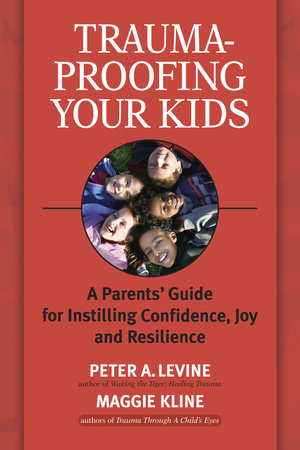
Practical things a parent can do after a fall, a fright, or a hard week — small, everyday, and doable.
(opens Bookshop.org in a new tab)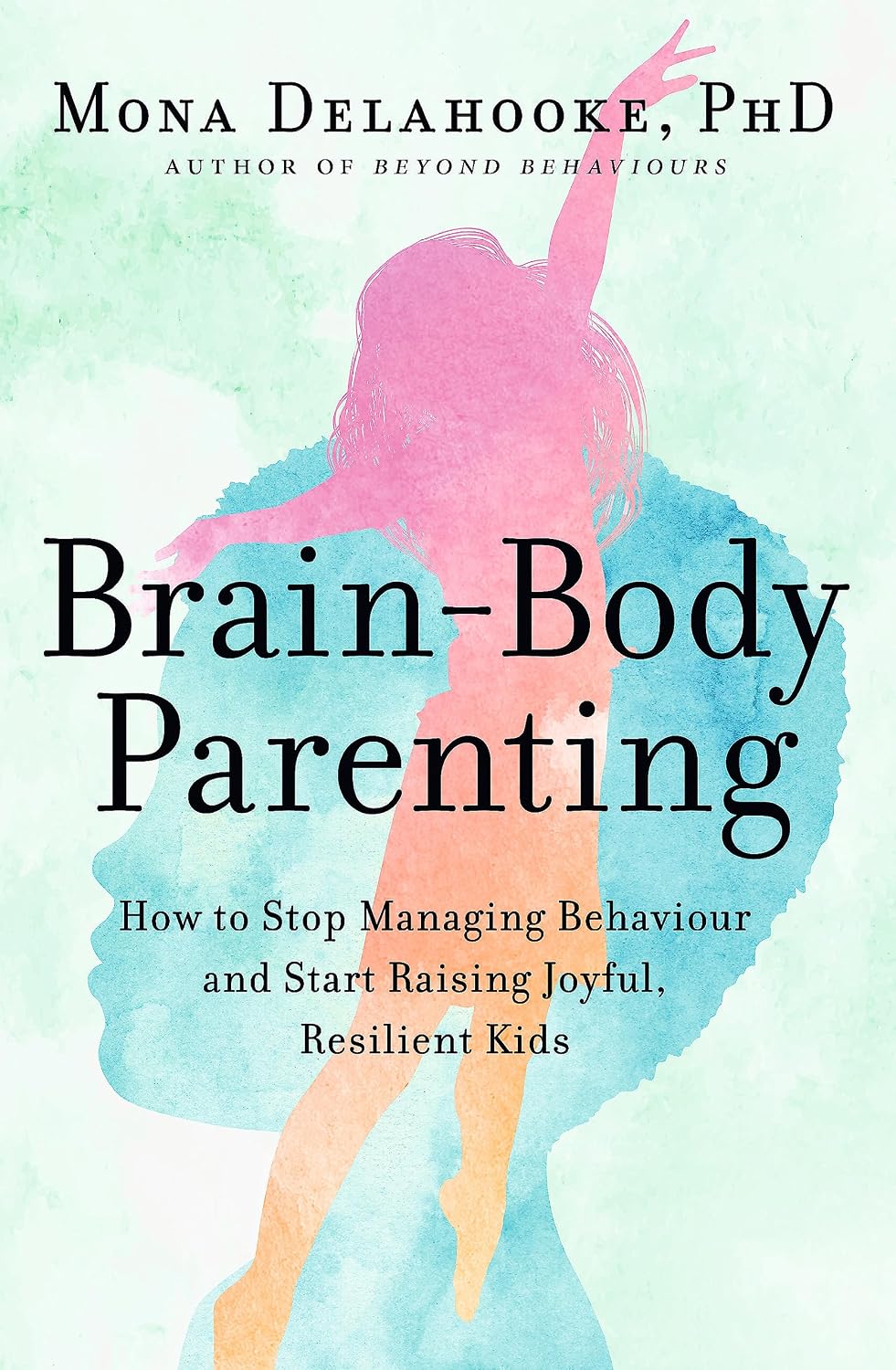
Why difficult behavior is so often a body under stress — and what helps before it turns into a battle.
(opens Bookshop.org in a new tab)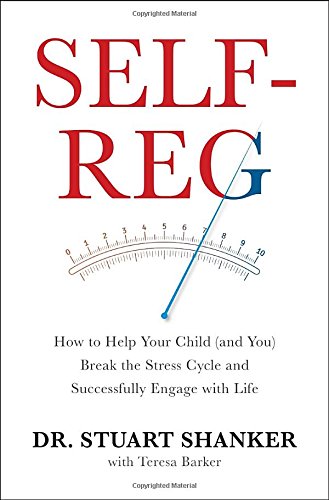
The difference between misbehavior and stress behavior, and how to bring the load down for both of you.
(opens Bookshop.org in a new tab)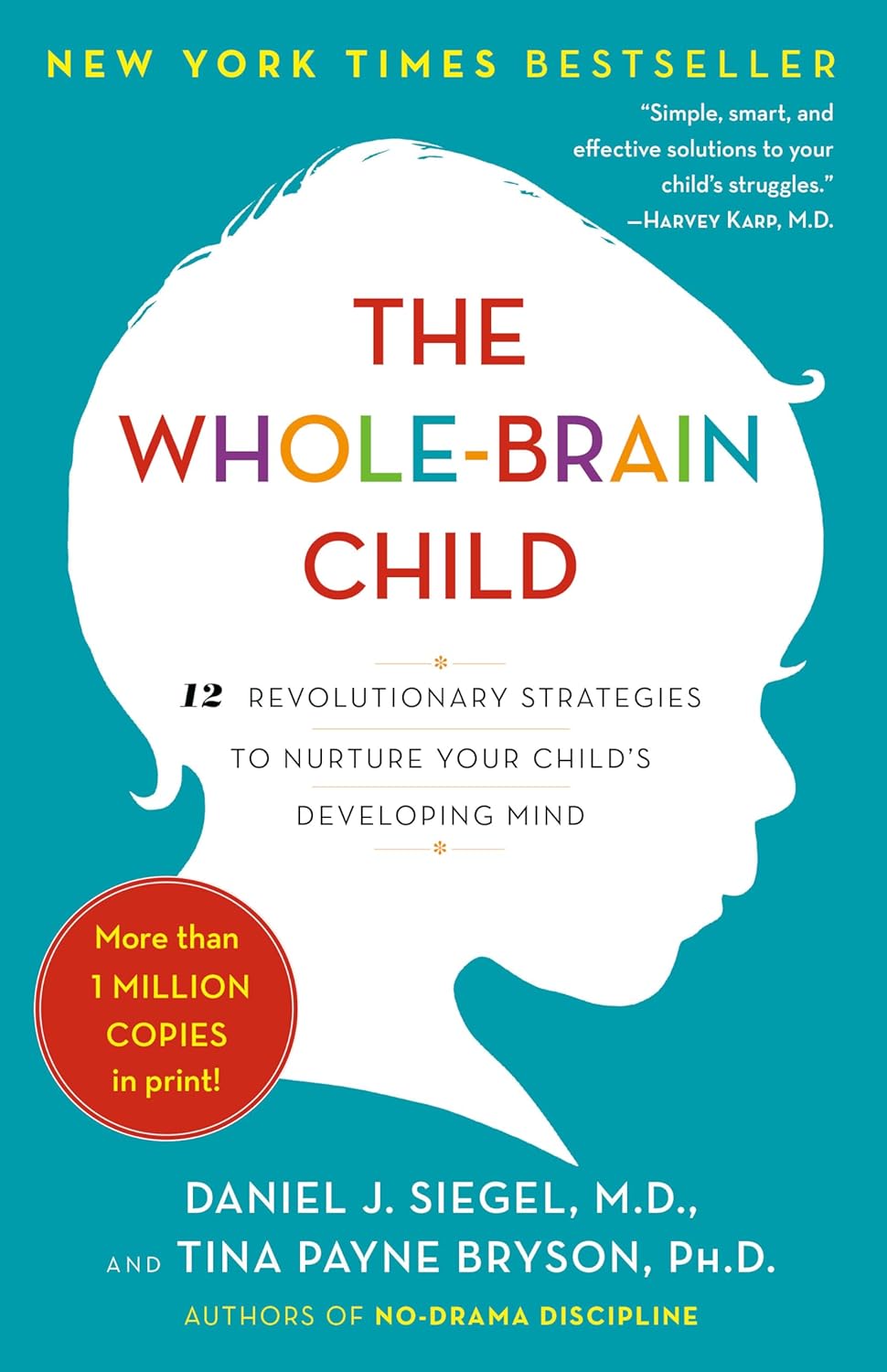
Twelve plain strategies for the moments when big feelings outrun a child’s words. A good first book.
(opens Bookshop.org in a new tab)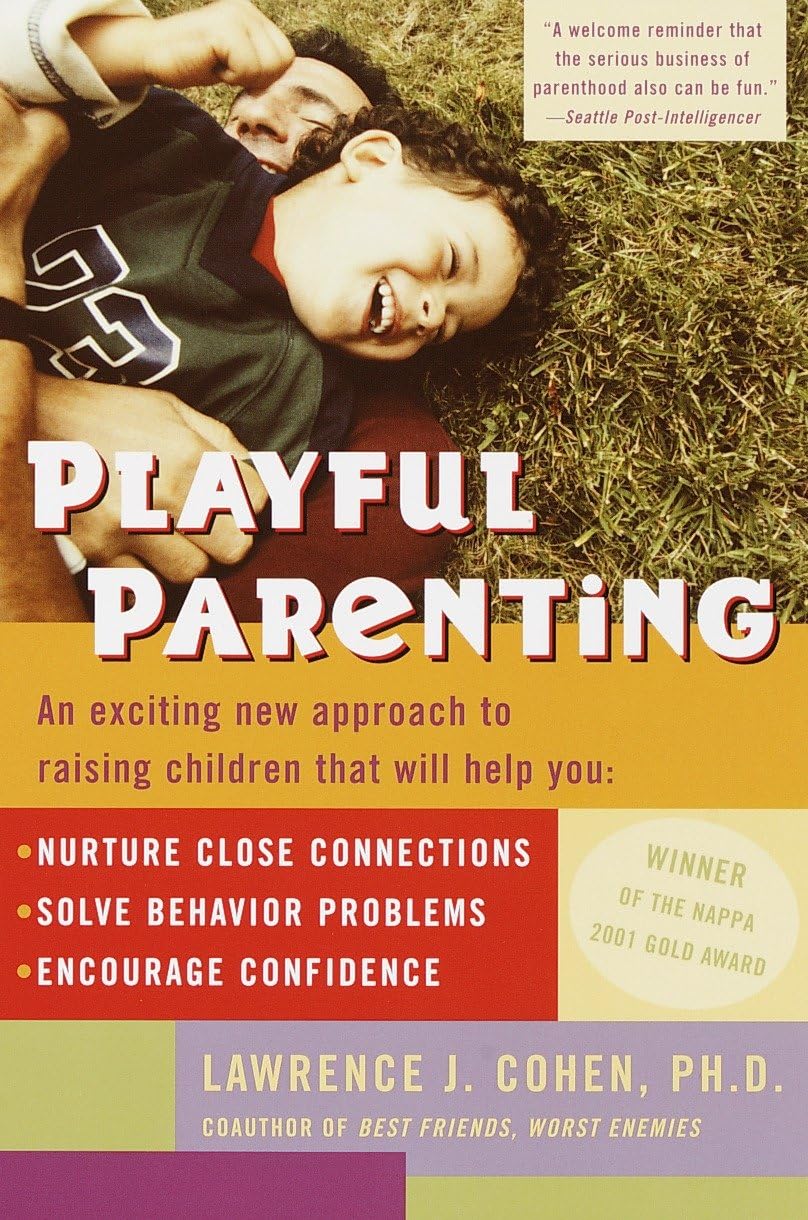
How play becomes the way in — and how much of the real conversation happens on the floor.
(opens Bookshop.org in a new tab)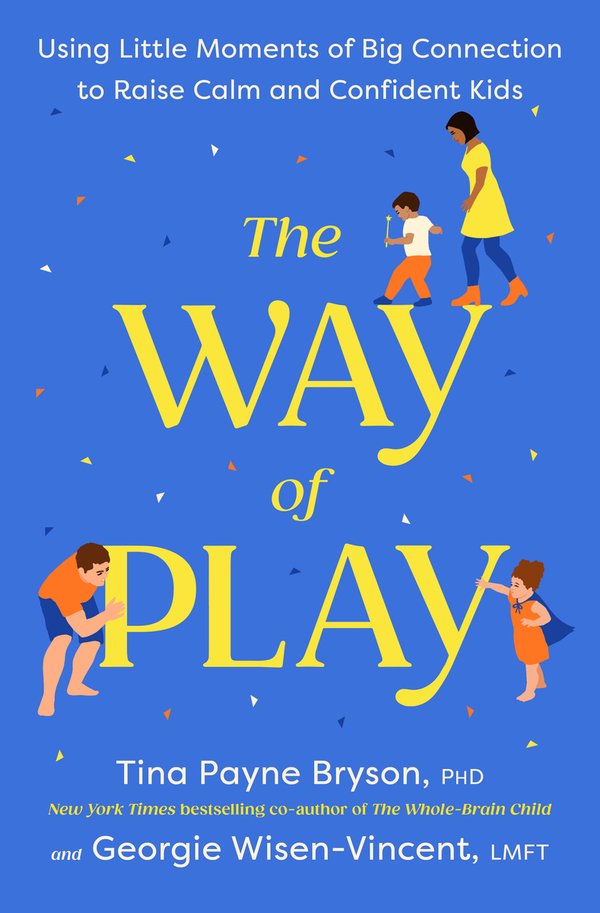
Simple games that build steadiness and confidence, following the child’s lead rather than steering it.
(opens Bookshop.org in a new tab)Yes. Somatic Experiencing is gentle and non-invasive. It’s paced entirely to your child, never forces them to relive what happened, and is designed to keep things within a range they can comfortably handle. It’s meant to feel comfortable and unhurried, and it sits easily alongside whatever other care your child is already receiving.
Two papers I come back to.
Body-based work with children is older than the research on it, and I’d rather be straight about that than gather every study that mentions the body. So: two papers I genuinely find useful, with a plain note on what each one is — a theory paper is not a trial, and a small study is not a promise. Both are linked in full, so you can read them yourself rather than take my word for it.
Somatic Experiencing: Using Interoception and Proprioception as Core Elements of Trauma Therapy
The clearest explanation I’ve found of how body-based work is meant to work — using body awareness, rather than re-telling a hard story, as the way in. Worth saying plainly: this is a theoretical paper, not a clinical trial. It’s here because it explains the thinking well, not as evidence of outcomes.
Read the paper (opens in a new tab) →The Effects of Mindfulness-Based Interventions on Cognition and Mental Health in Children and Adolescents
A rigorous, encouraging picture. Pooling 33 randomized controlled trials across 3,666 children and teens, it found “significant positive effects” on attention, focus, and emotional steadiness, with lower depression and anxiety. With consistent practice, the benefits are real.
Read the study (opens in a new tab) →A note on reading research: the evidence for body-based work with children is genuine but still growing, and no single approach fits every child. This page is shared for education, not as a promise of results — whether it’s the right fit for your child is always worth a conversation.
Have questions about how this works?
I’m always glad to talk through what body-based work involves, and what the evidence does — and doesn’t — say. Start with a free 20-minute consult.