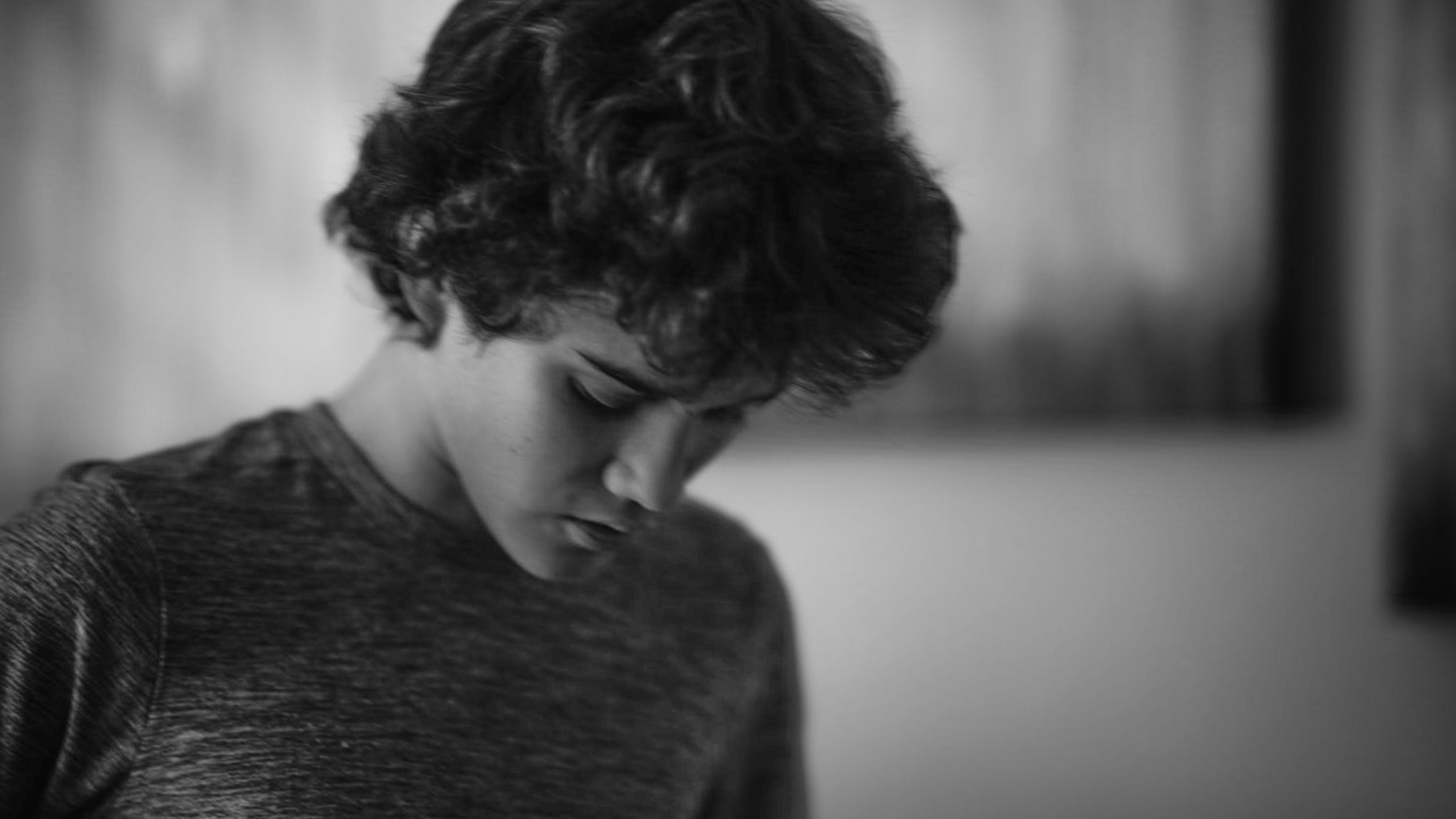
Care that meets your child where they are — through play, movement, and the body, not only talk.
Every child is different, so the work is shaped around yours. Sessions may weave together child-led play, movement, creativity, body awareness, mindfulness, and practical strategies for regulation. Mostly, it looks like play — we might move, draw, notice sensations, or simply sit with a favorite stuffed animal. Nothing has to be performed or explained. For younger children a parent is often nearby; for older kids and teens, we find the balance that helps them feel safe and in charge.
Curious what this rests on? See the resources →
What does this mean for your child?
Your child doesn’t have to put what they’re feeling into words in order to move through it. We notice what their body is already showing — a held breath, a tight belly, a restless leg — and gently help them find their way back to steady. Little by little, settling starts to feel more familiar.
Why the body, and not just talk?
Children often can’t put what they’re feeling into words — but their bodies hold the tension anyway. By working where the stress actually lives, body-based care reaches what talk alone can’t, and gives kids real, physical tools for calm they can use anywhere.
Common questions.
Is this evidence-based?
In part, and I’d rather be straight about it. Mindfulness-based work with children has strong research behind it. Body-based approaches like Somatic Experiencing are promising but the evidence is younger and still growing. I’m happy to share what I read and talk through what it does and doesn’t say.
See the resources →
How long does this take?
It depends on the child and what they’re carrying. Some families notice shifts within a handful of sessions; others take longer. We go at your child’s pace — never faster than they can comfortably handle.
What ages do you see?
Children and teens, under 18 — from little ones who need a parent close by, to teens who want a space that’s their own. We tailor the work to where your child is.
Do you work with parents too?
Often, yes. Especially with younger children, a calm, steady parent is part of the work. I’ll share simple ways to support your child between sessions, and involve you as much or as little as makes sense. Clara also offers individual parenting sessions — a space to step back, make sense of what you’re seeing at home, and find practical, steady ways to respond. Some families do this alongside their child’s work; others come just for themselves.
Does a body-based approach involve physical touch?
No. “Body-based” means noticing what’s happening inside — where a child feels worry, tension, or a big emotion, and how those sensations settle — through play, movement, breath, and gentle awareness. It doesn’t involve physical hands-on touch.
Looking for a child therapist or play therapy?
Clara is a pediatric advanced practice registered nurse (APRN) with additional training in body-based approaches. Many parents searching for a “child therapist” or “play therapy” are really looking for someone who can help an anxious or overwhelmed child feel steadier — and that’s the heart of the work here: child-centered care that uses play, movement, and body awareness, grounded in her pediatric training.
More about Clara →
What can this help with — anxiety, ADHD, school and social stress?
Those are the challenges Clara works with most: anxiety, big emotions, difficulty with regulation, ADHD, and the everyday stress of school, friendships, and growing up. The work is shaped around your individual child rather than a diagnosis — and if your child carries a specific diagnosis, we’ll talk through whether this is a good fit before beginning.
A few books I love.
Six books I recommend to parents often — all written for families rather than clinicians, and all kind about how hard this can be. They’re gathered on the resources page, alongside a couple of papers if you like to go deeper.
See the reading list →Curious if this could help your child?
Start with a free 20-minute consult. Ask anything you’d like.